
Grow a pair. Of shoes.


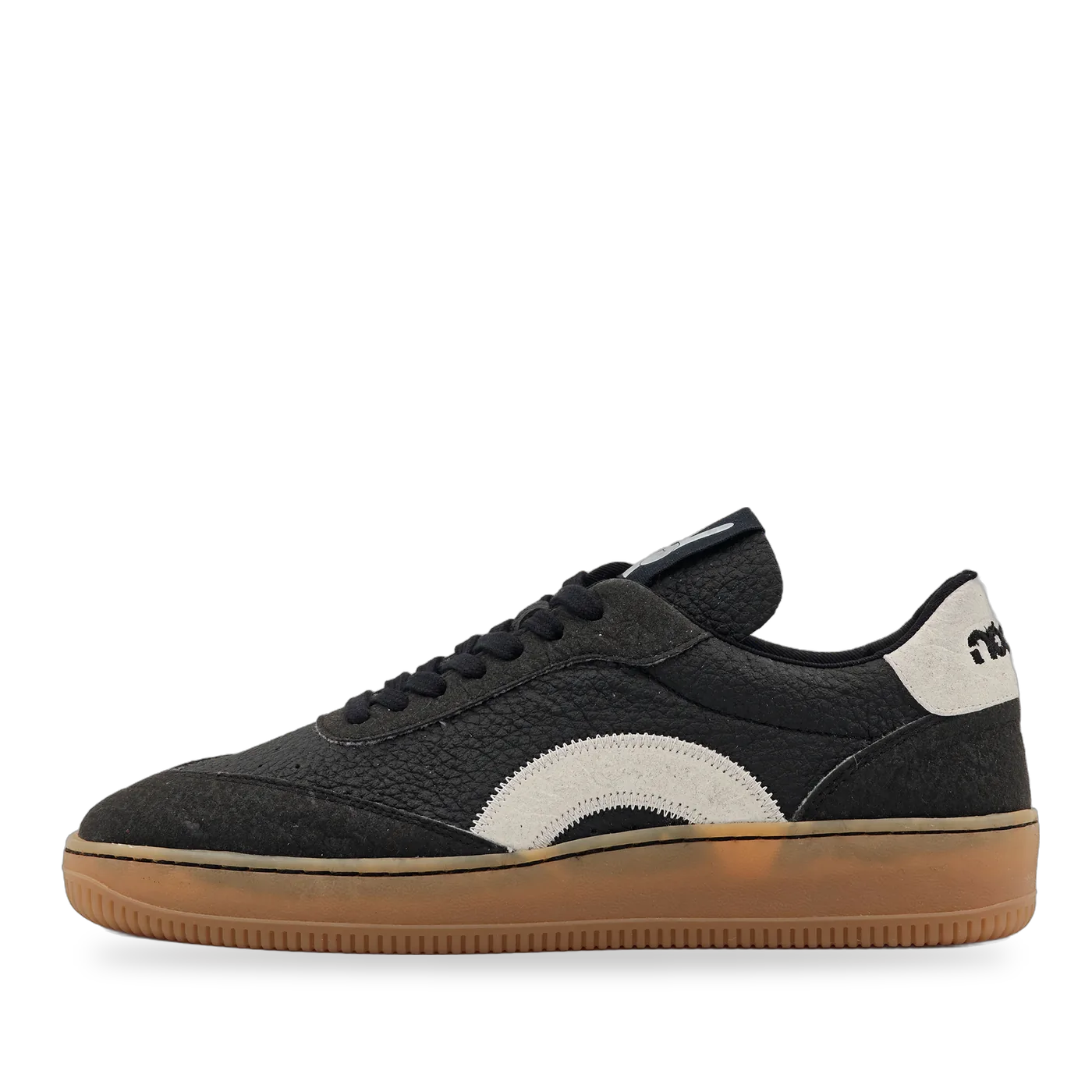
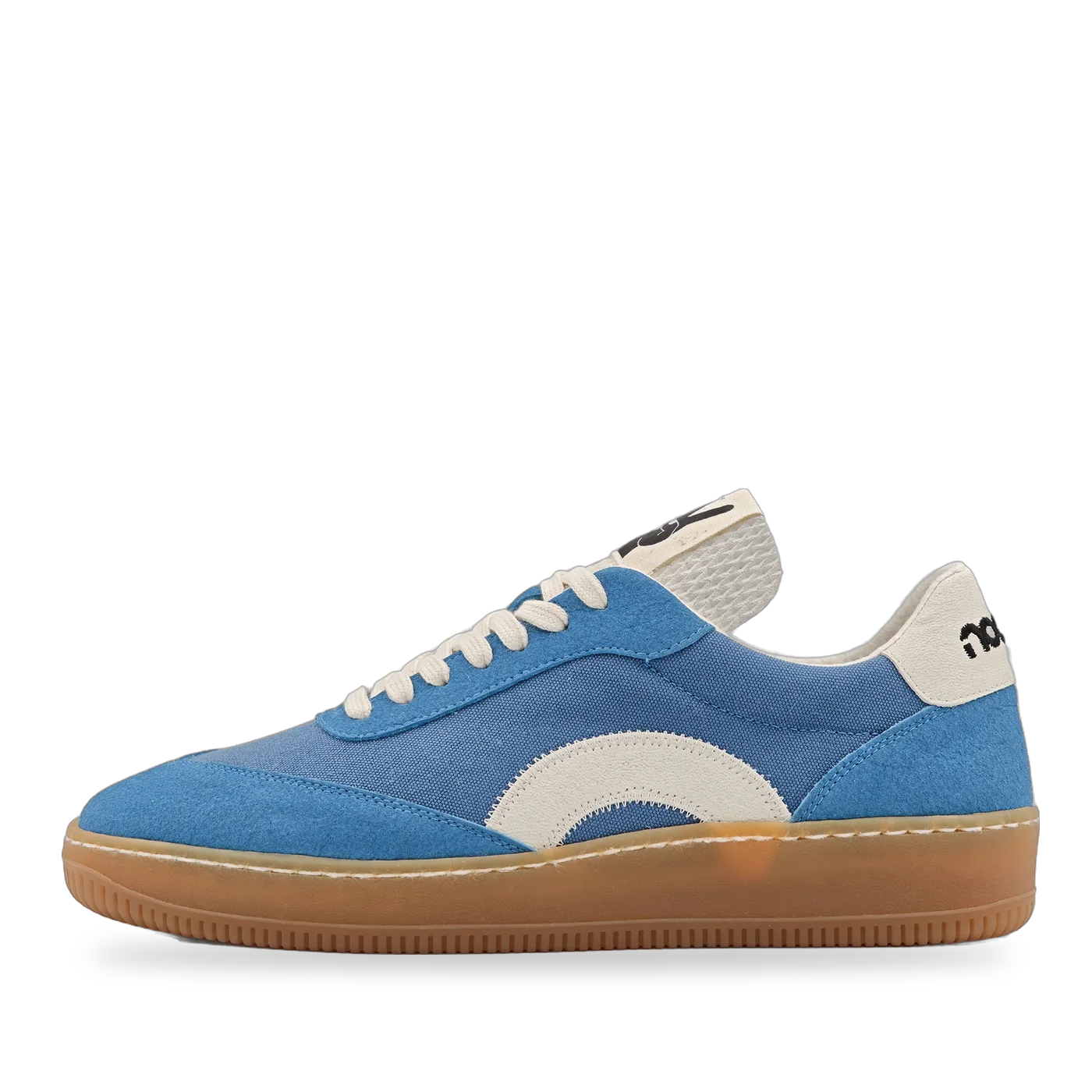
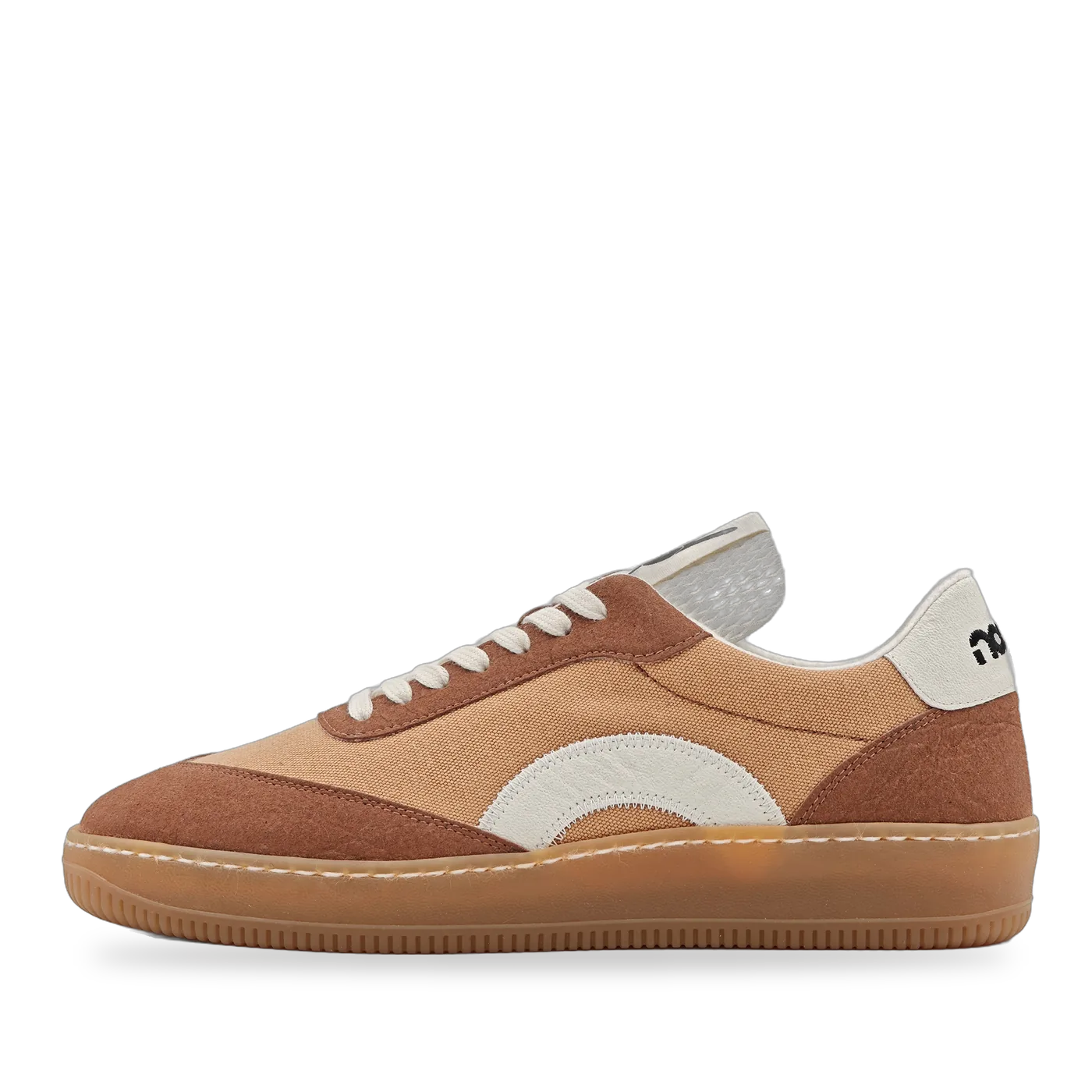
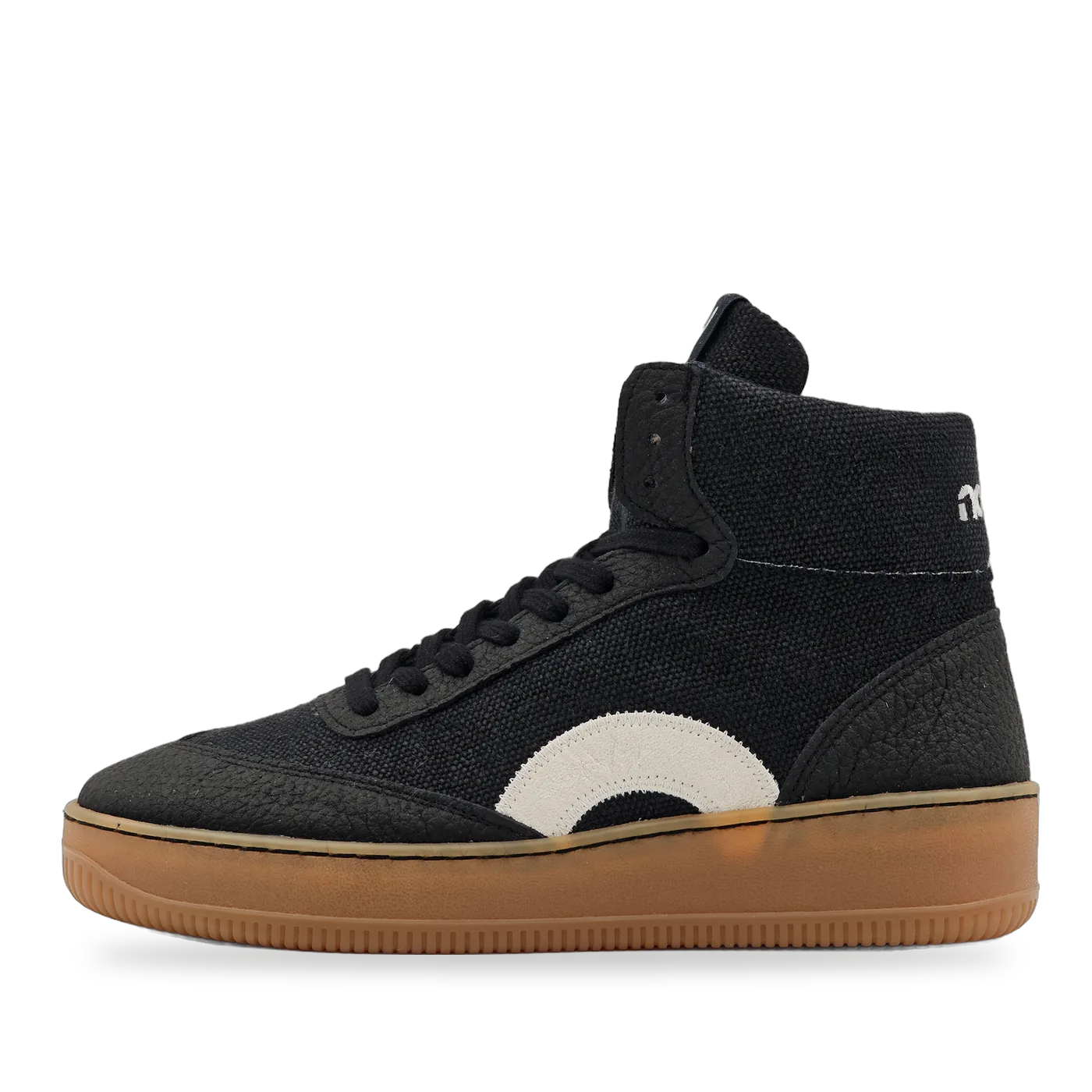
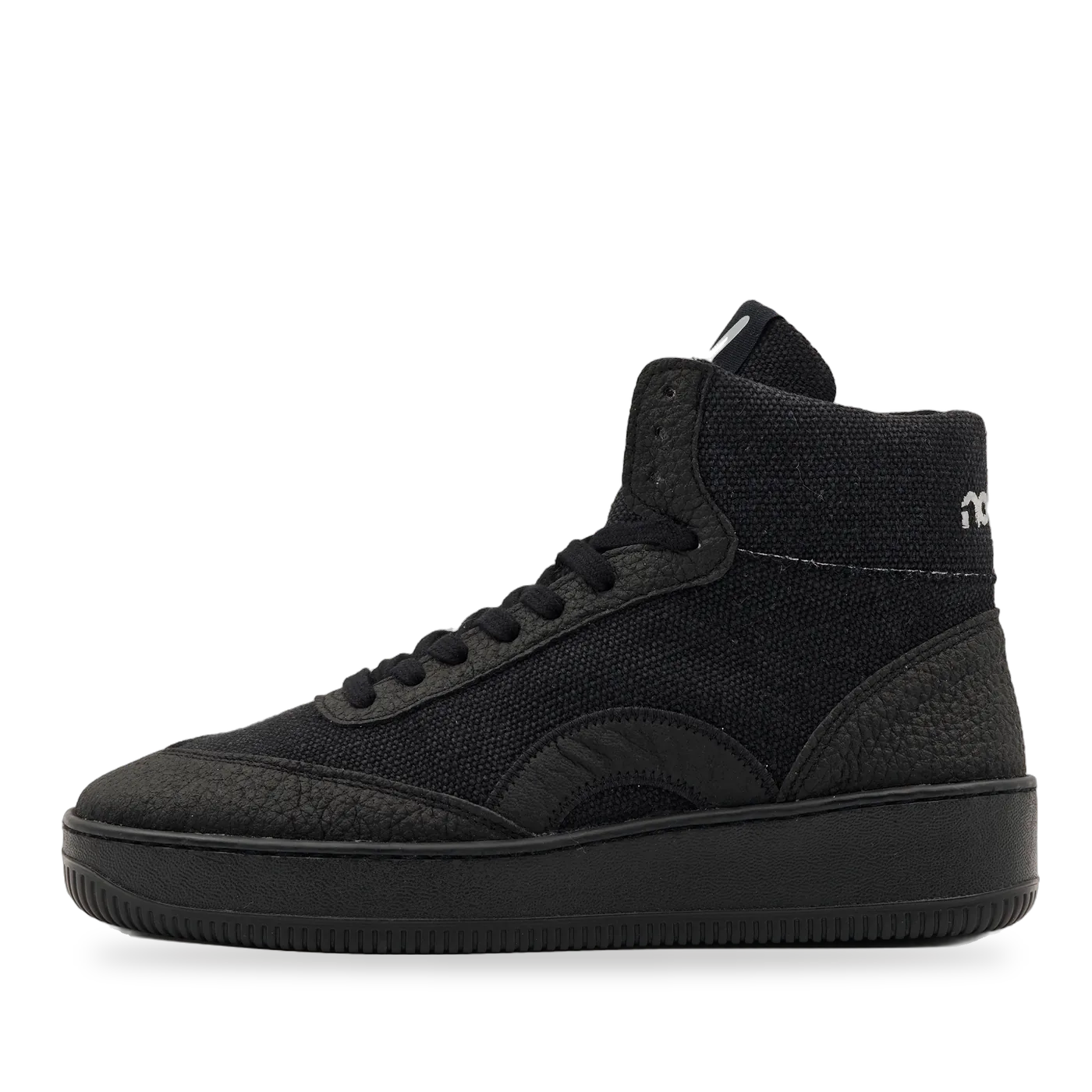
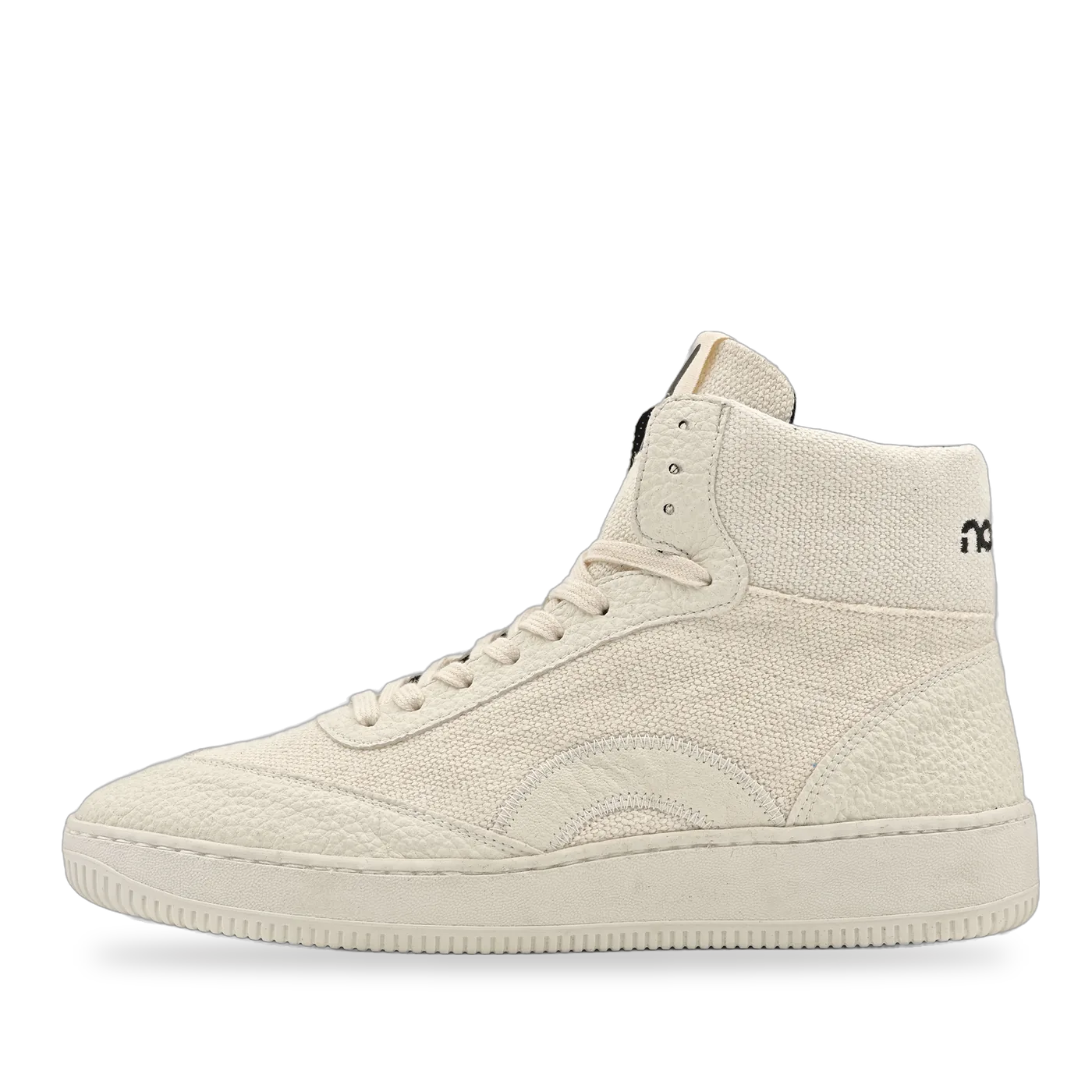
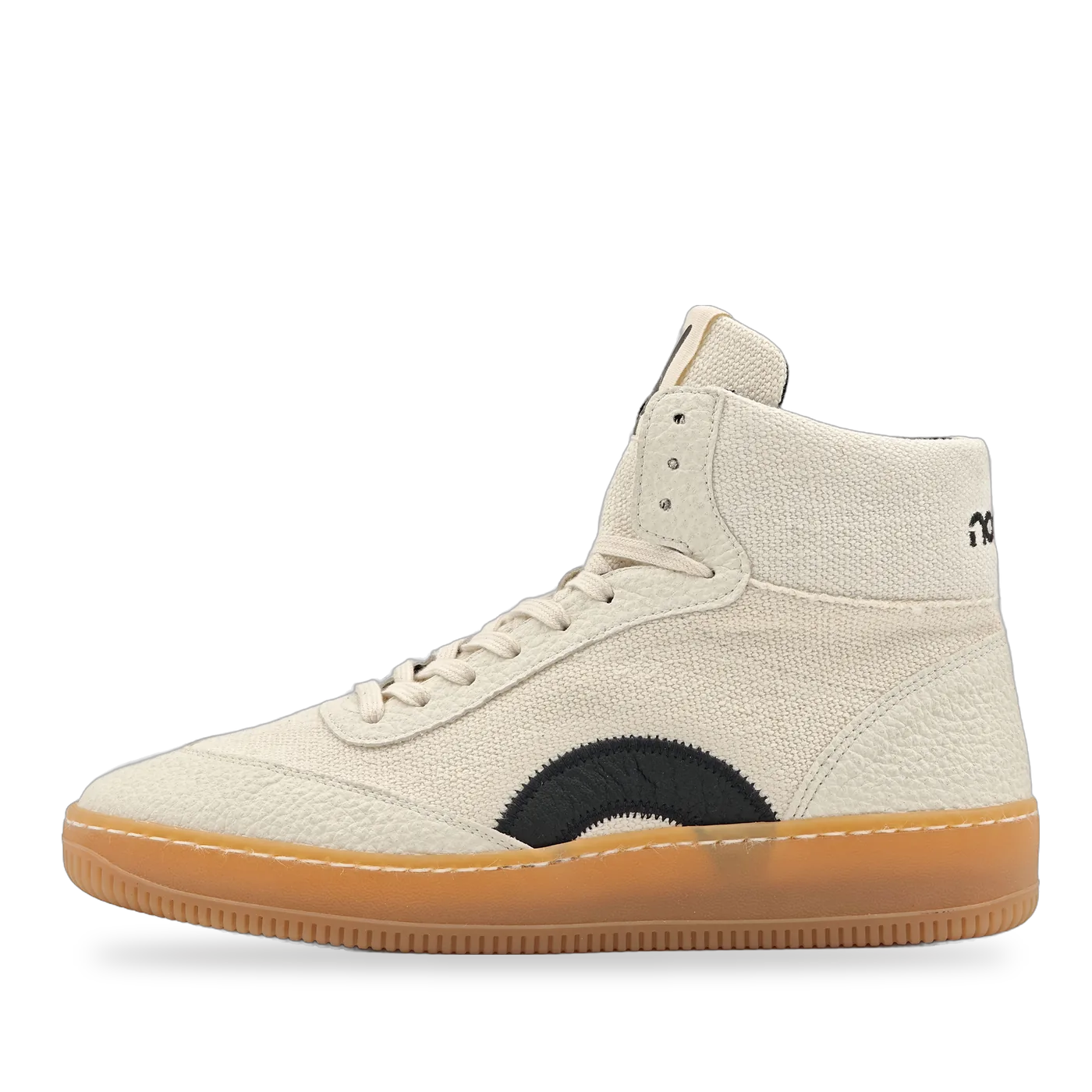
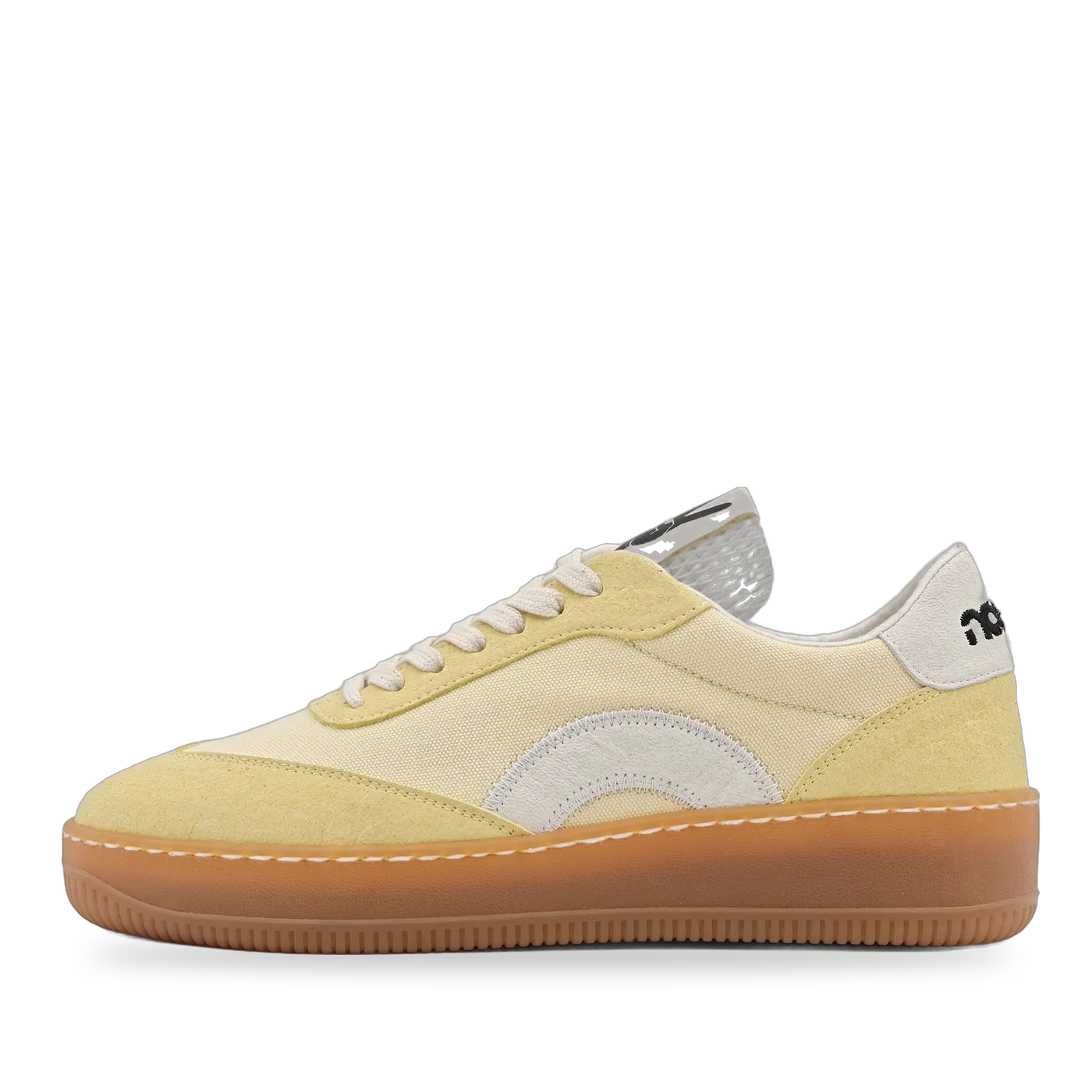
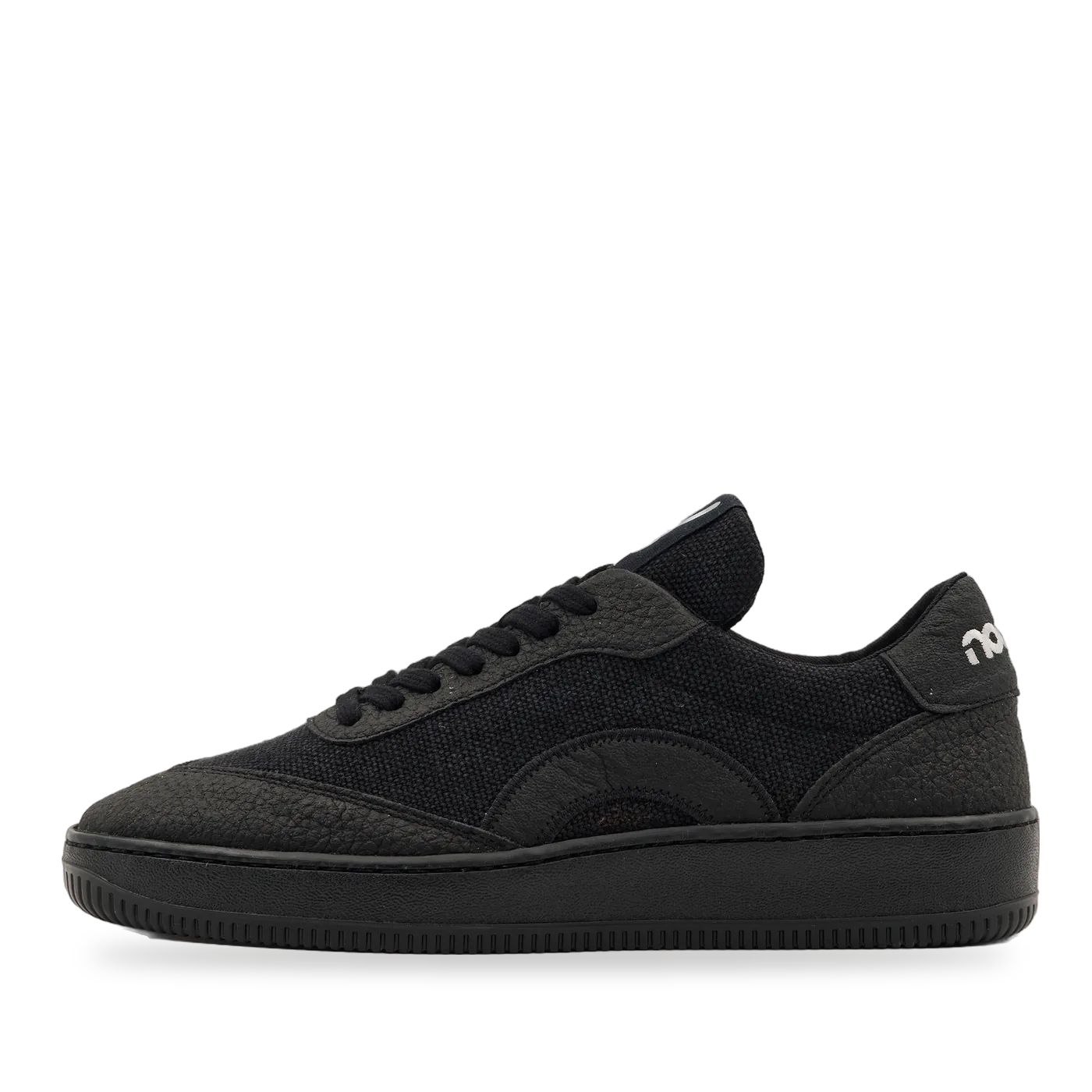
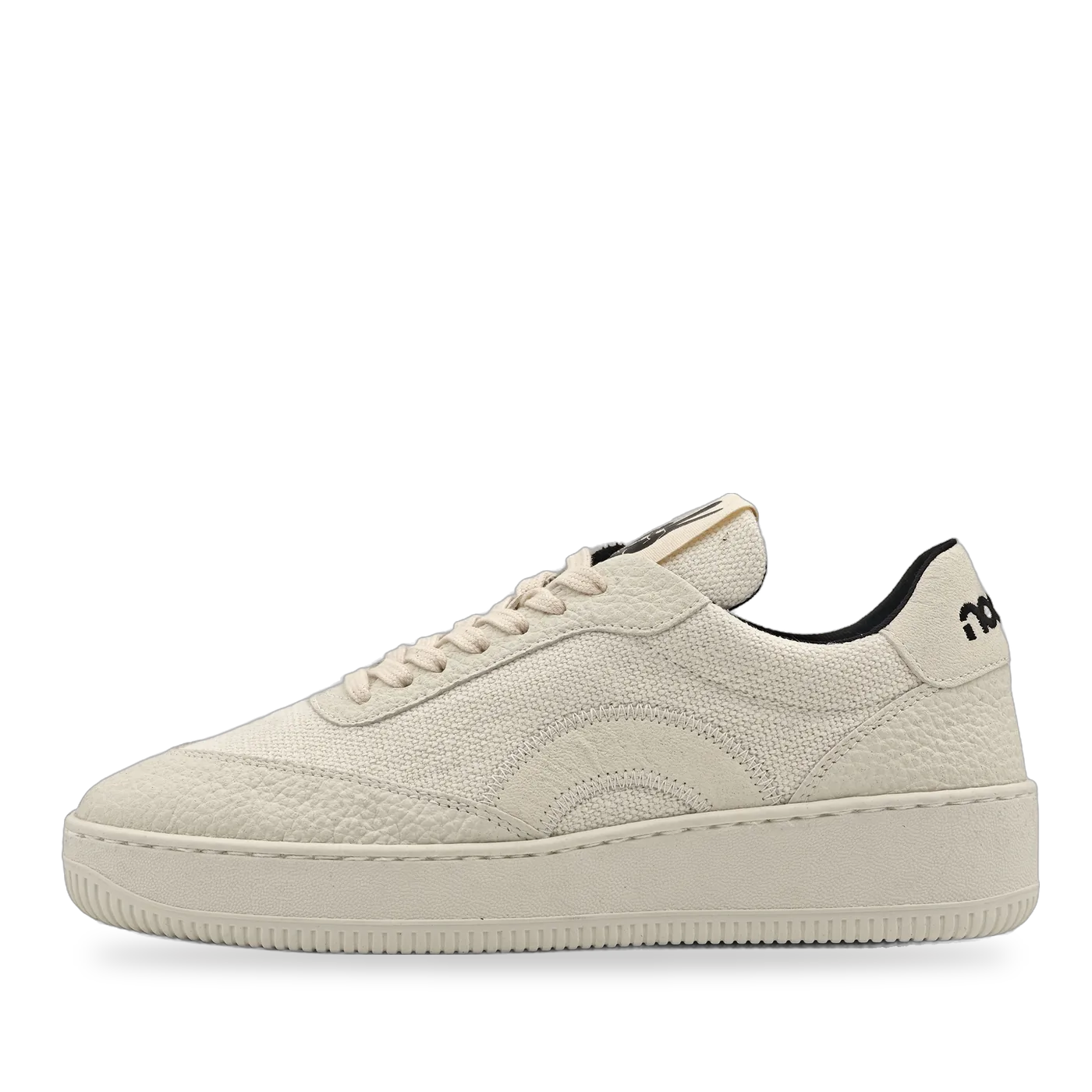
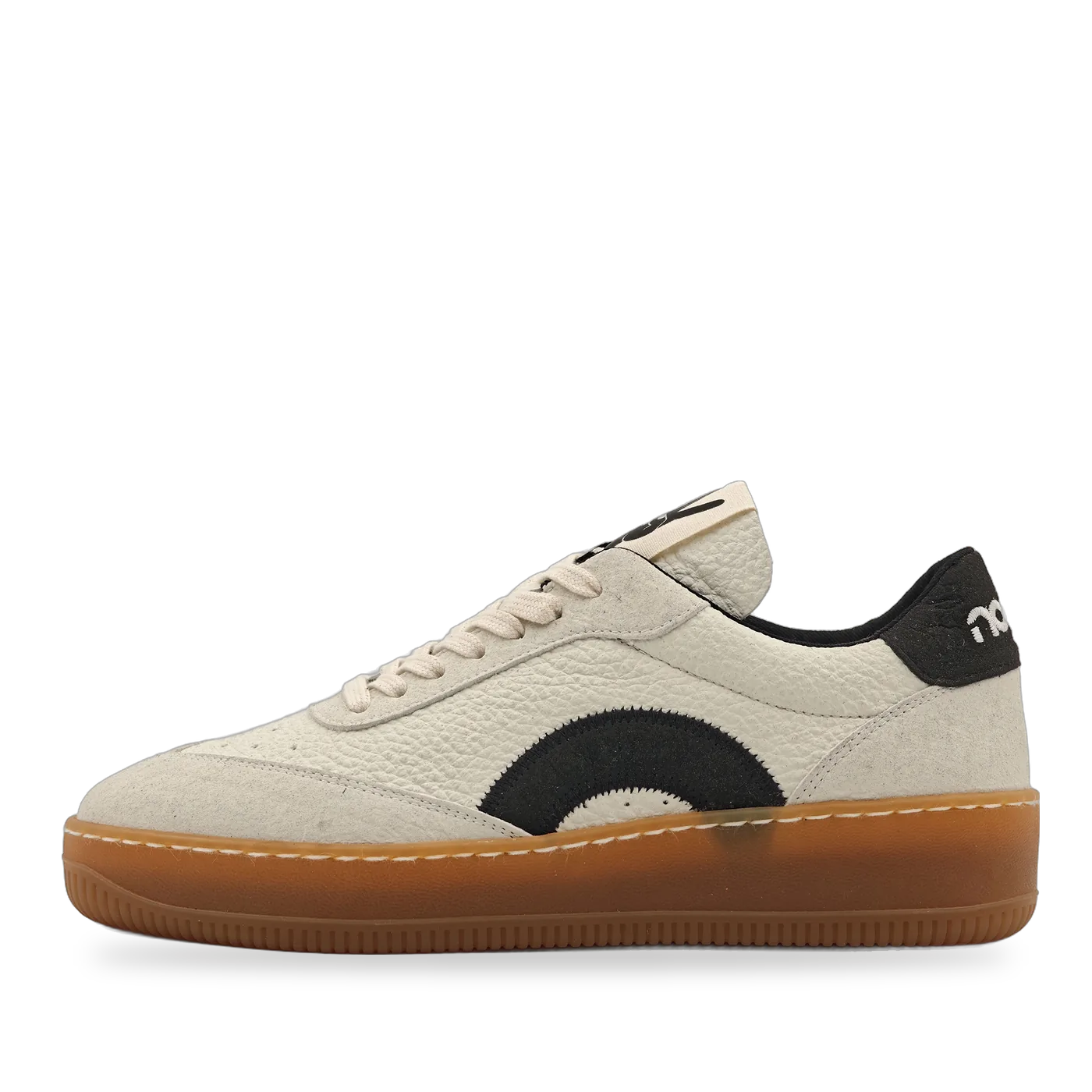
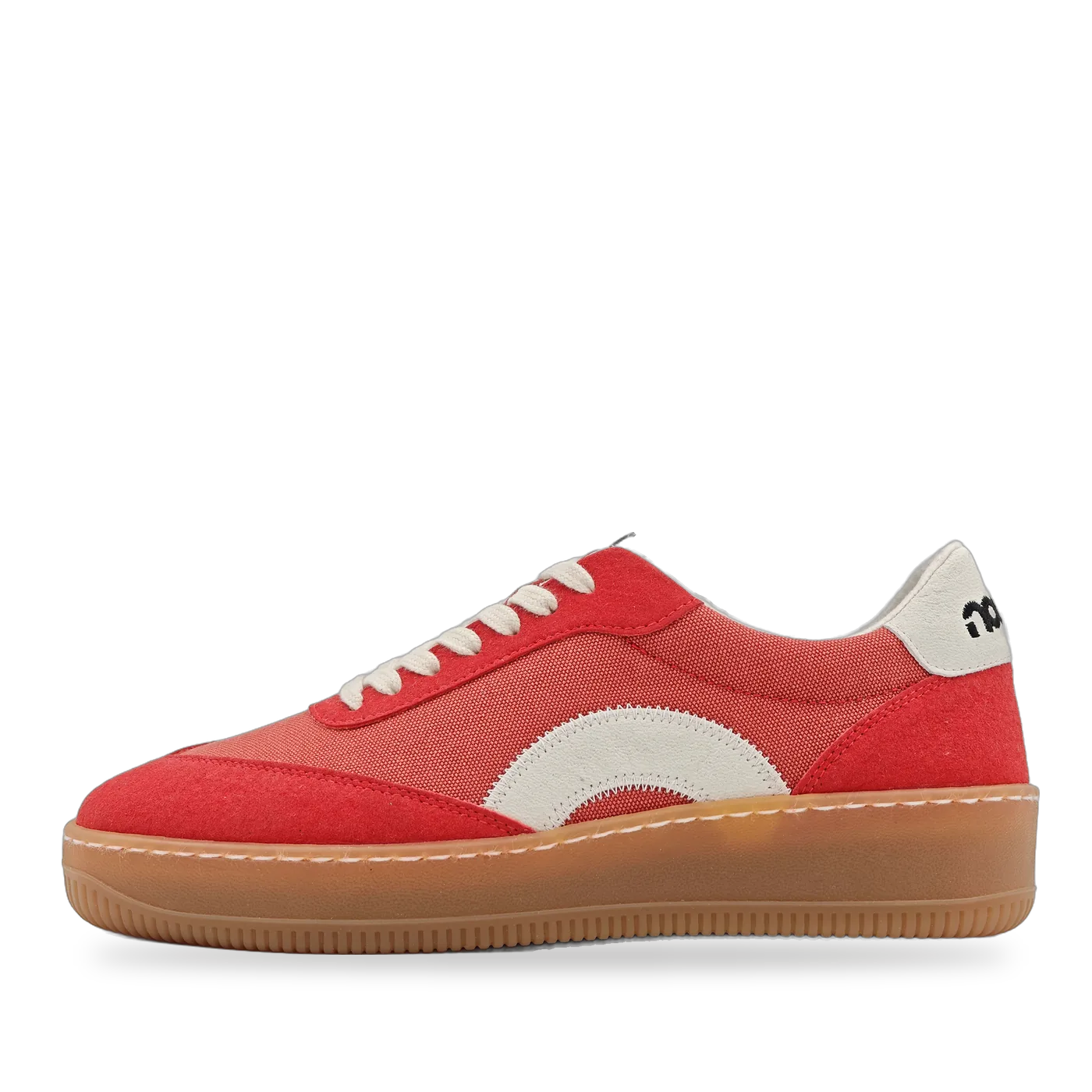
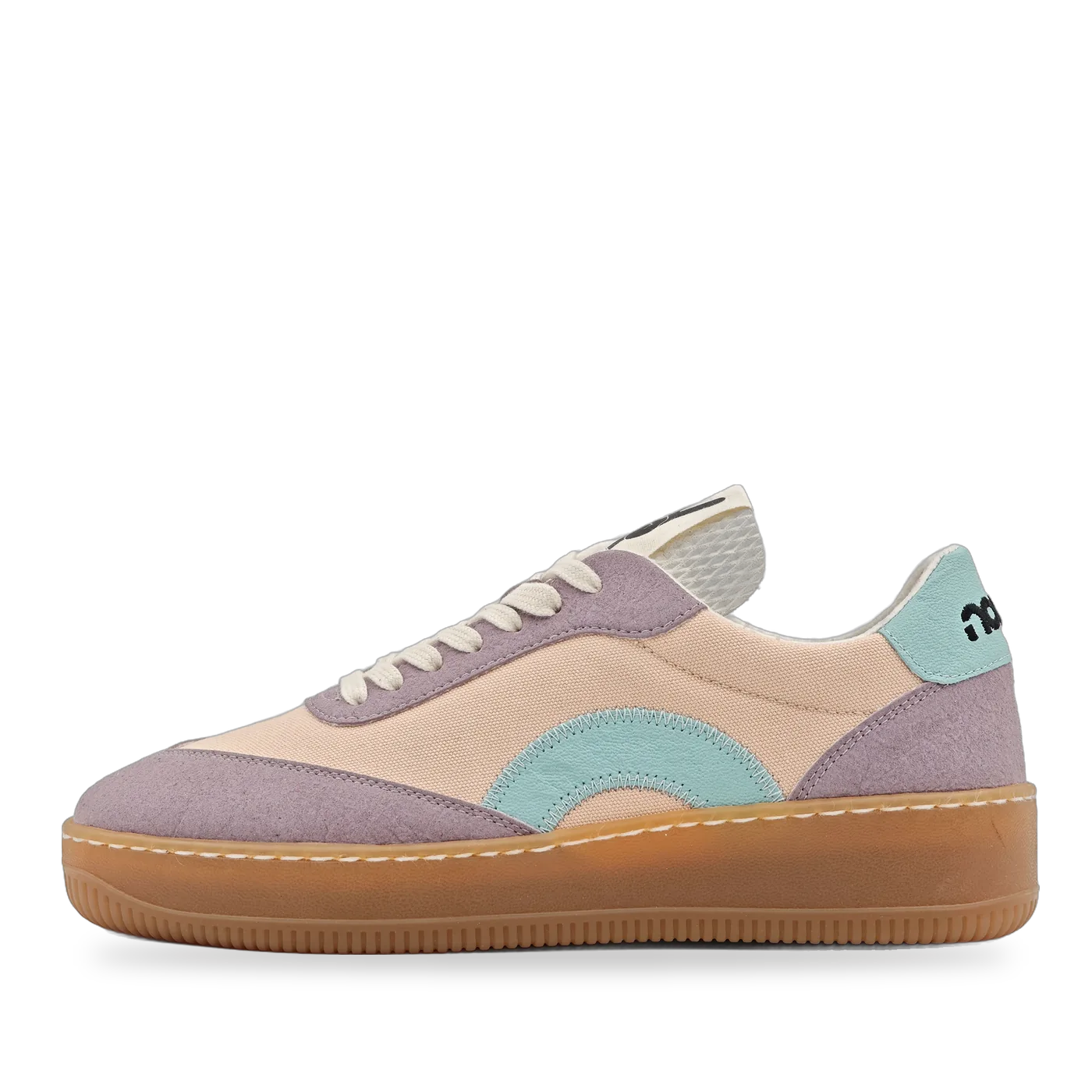
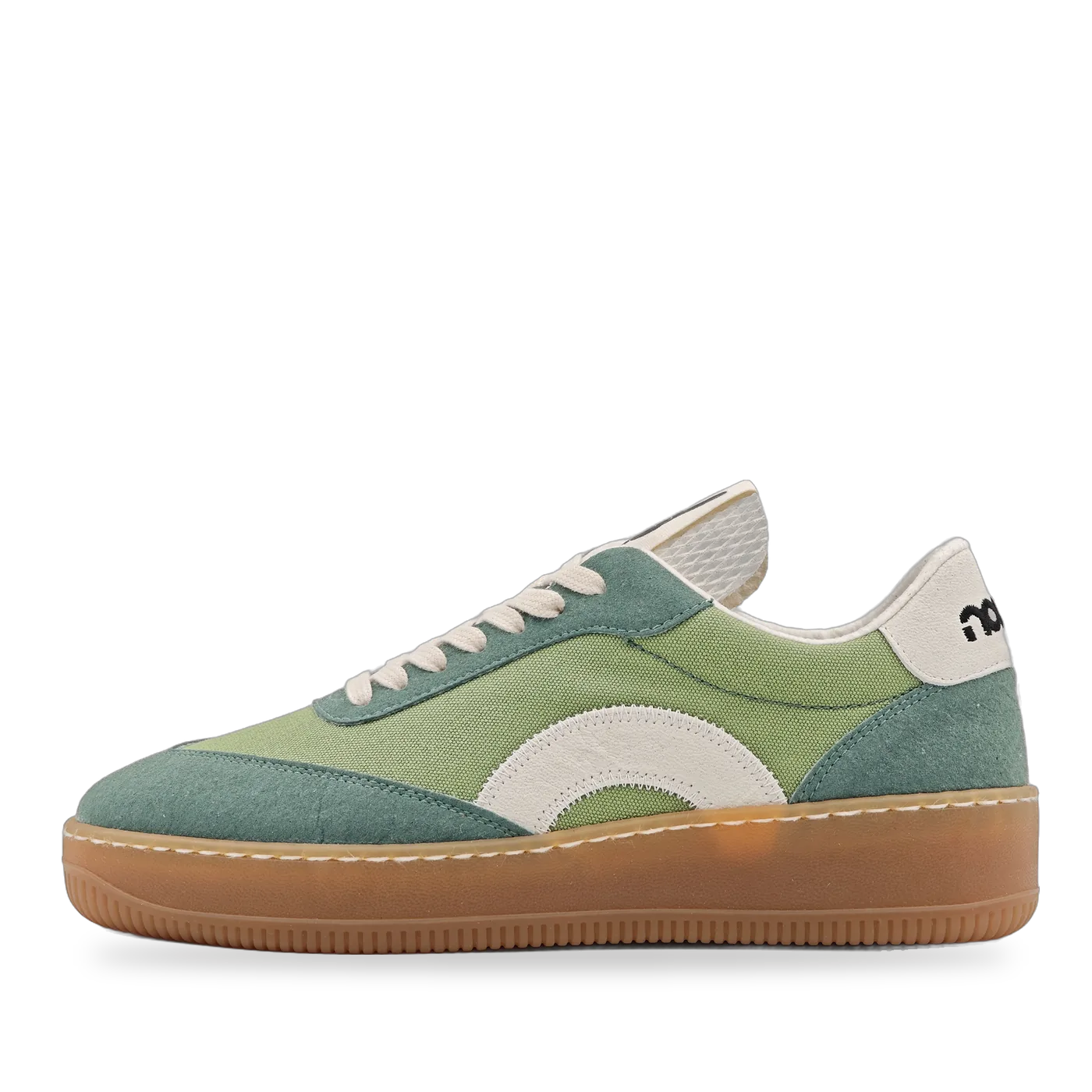


From plants, after you order them, and not before.
Your pair is made once 500 are ordered. Not there by 21 December? We refund you, no questions.
“I just want to wear them forever.” Stuart Goldsmith. Climate comedian. Wore Noochies at Live at the Apollo. He was not paid for this.
How it works
Your shoe doesn't exist yet.
-
Now
You order
Only at nooch.earth. You're Founding Farmer #1229 of the spring harvest.
-
21 December
The harvest closes
The factory needs 500 pairs to start a run. With 500 in, we go. Under 500? Everyone gets their money back.
-
Spring 2027
We make your pair
By hand, in Felgueiras, Portugal. Follow it in the Field Notes.
-
April or May 2027
The Sneaker Harvest Party
When the pairs land, we throw a party. Pick yours up, bring a friend, try sizes, ask us anything. There's food. Or we ship it, if you'd rather. Doesn't fit? We swap it for your size.
Out there
Where they end up.
Not on a shelf. On a ladder, on a tractor, in an orchard that needs picking.
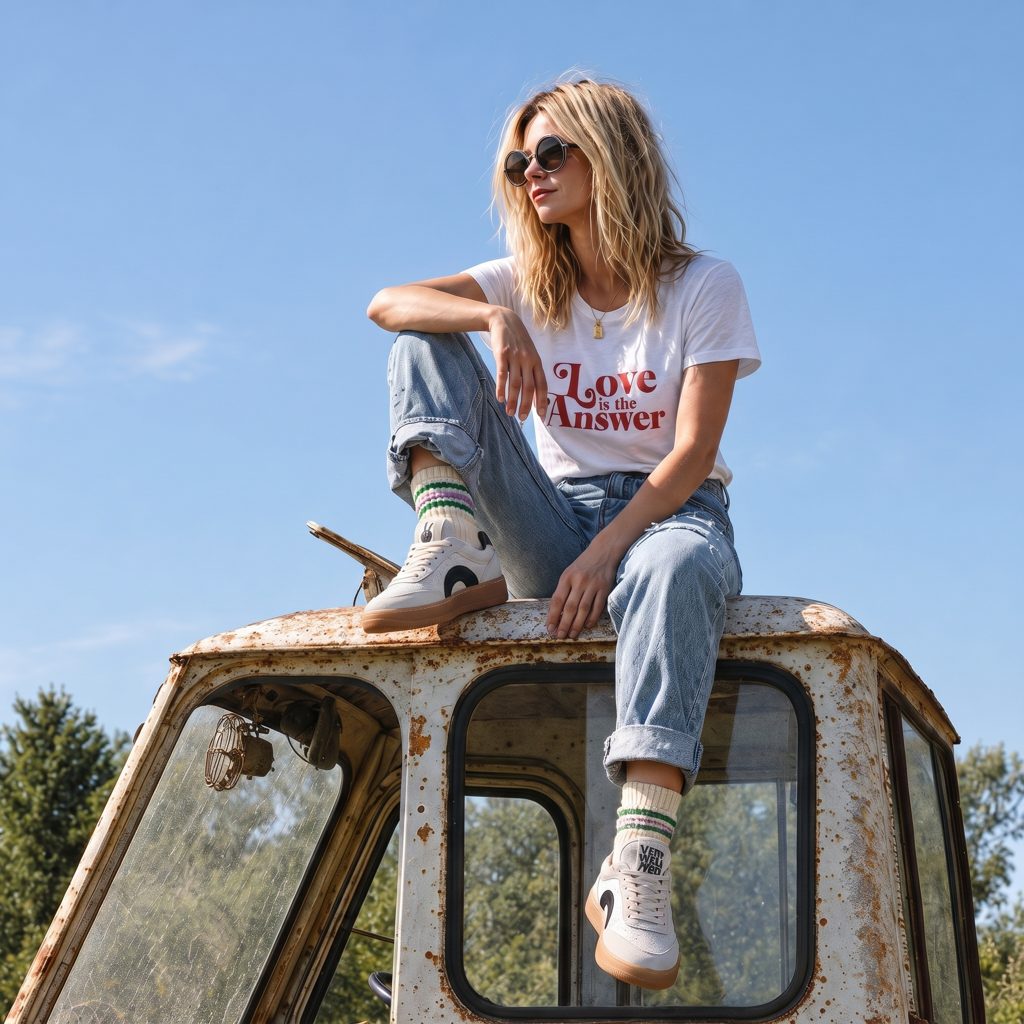
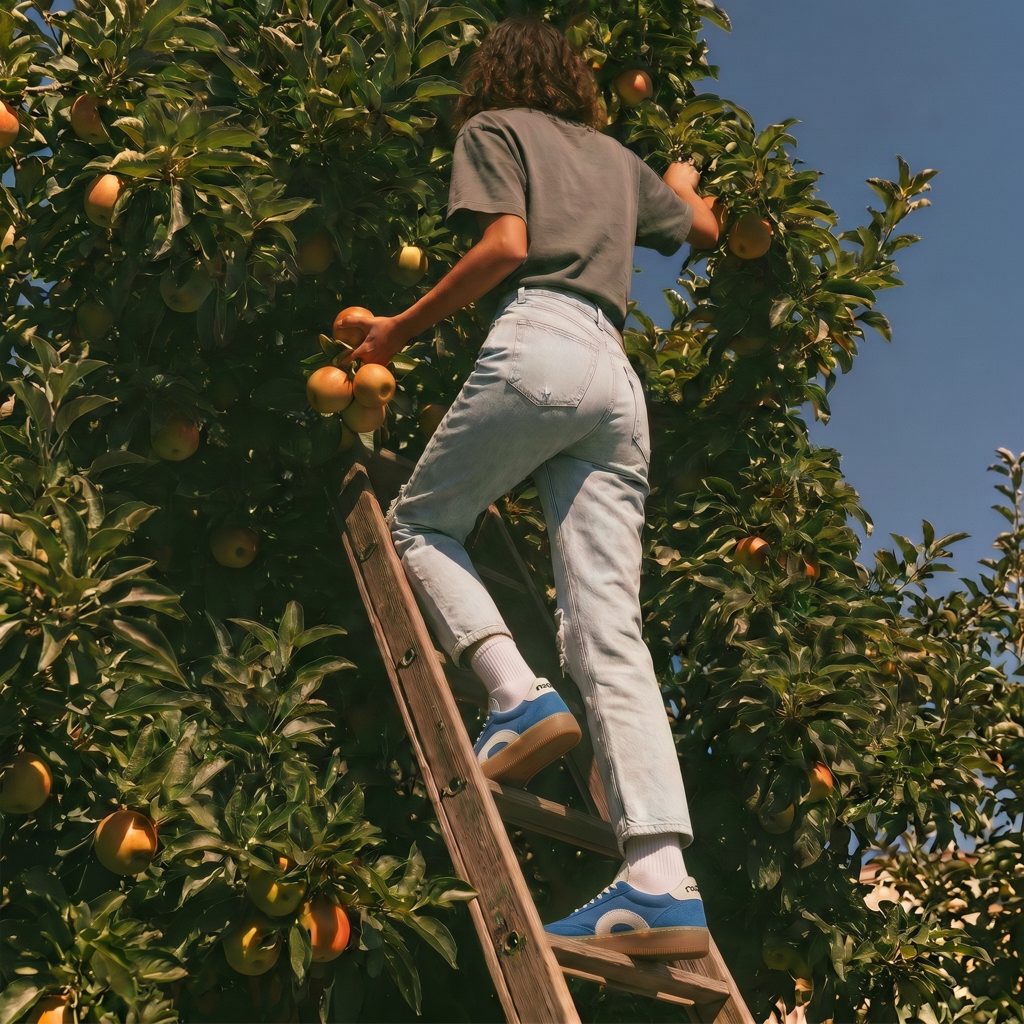
Made with AI. Why we do that
Every second
780
pairs of shoes are made.
24.6 billion pairs get made a year.
Sounds hopeless. There's a story about that.
A sneaker is a small oil spill with laces.
½ to 1 litre
of oil in one average pair.
How we got there
A pair of synthetic sneakers weighs about 650 grams. About 60 percent of that is plastic made from oil: foam, synthetic rubber, polyester. That's 390 grams. Making a kilo of it takes 1.2 kilos of crude as raw material, or 2 kilos if you count the energy. A litre of crude weighs 0.85 kilos. So: somewhere between half a litre and a litre.
APICCAPS 2026. Oil and pairs per second: our own calculation.
The industry calls that normal. We call it a design problem, so ours grew. Eight plants and one fungus in every pair.
The usual alternative is a cow.
80%
of Amazon deforestation is driven by cattle ranching.
Leather is not a leftover of the steak: nearly half of it becomes shoes. It is tanned with chromium, 80 to 90 percent of the time.
In Dhaka's tannery district, Tansy Hoskins writes, nine in ten workers died before fifty.
Tansy Hoskins, Foot Work (2020); Collective Fashion Justice.
The industry calls that normal. We call it a design problem, so ours has no animal in it. PETA-Approved Vegan.
Either way, somebody stitched it.
10 cents
paid to some women in Tamil Nadu for hand-sewing the upper of a shoe sold for over €45.
Any factory can pass work on to people at home: no contract, a price per piece, the glue stored in the house.
Shoe glue can contain benzene. Benzene causes cancer.
Tansy Hoskins, Foot Work (2020); Homeworkers Worldwide; ICOHS 2017.
The industry calls that normal. We call it a design problem, so ours is made in Felgueiras, Portugal, under EU labour law. We film inside.
And then they all have to go somewhere.
About 95%
end up in landfill or an incinerator.
One in four is never even sold. The rest is up to forty materials glued together, so almost none of it gets recycled. A foam midsole can sit in landfill for a thousand years.
Loughborough University; RIVM and Rebel 2024; Tansy Hoskins in The Guardian, 2020.
The industry calls that normal. We call it a design problem, so ours is made after you order it. And everything in it grew.
So we changed the boss
Mother Earth is the CEO.
Every decision has to make sense to her first.
Not
OilPlants.
8 of them, and 1 fungus. Everything in this shoe grew. Meet the crew
Not
CowHyphaLite.
Wood cellulose, natural rubber and a fungus, where the leather would be.
Not
Anonymous handsFelgueiras, Portugal.
Made by hand at Eurovilde. We've stood in that factory. Who makes your shoes
Not
LeftoversYour order is the production order.
Nothing gets made that nobody asked for. Worn out? Send it back. How it works
8 plants. 1 fungus. 0 animals.
Everything in it grew. As far as we know, nobody else does that for the whole shoe. Every ingredient has a name.
1717 pairs were ordered before they existed.
Every heart is one of them.
Tap a heart to see the shoe, where it went and when it was ordered.
Tap for the next one · 1 / 5
Sneaker Harvest Party · 22 November · Blue Marble, Amsterdam
Founding Farmers came to pick up their pairs in person. Try a size, meet the crew, take your Noochies home.
See all photos →30 / 500
18 pairs ahead of schedule
This is not the pair you buy when the old one dies. It is the one you order while the old one is still fine.
Your pair is made once 500 are ordered. Not there by 21 December? We refund you, no questions.
Order now · Founding Farmer #1229Things you'll wonder.
Why does a Noochie cost €159 and not €260?
A regular brand prices a shoe at four to five times what the factory charges. For a Noochie, that works out at between €260 and €375. We charge €159, about twice the factory price. Here is where it goes.
About €85 is the shoe, landed in the Netherlands: €65 to €75 for the factory in Felgueiras, depending on the model, plus transport, insurance and payment costs. €27.60 is VAT. The €46 that is left pays for running Nooch: the Sneaker Harvest Parties, the swaps, and general things like software, subscriptions and the annual report.
A regular sneaker costs the factory €25 to €30; the rest of its price is shops, warehouses, advertising and a head office. We skipped the rest, not the shoe.
When will I get them?
The sneaker harvest closes 21 December. Then they get made, by hand. We expect to deliver in April or May 2027. We mail you while they are being made, and again when they ship.
What if they don't fit?
We swap them for your size. Mail returns@nooch.earth, you get the return address within ten working days, and the postage back to us is yours. What we don't do is refund a pair and sell it to someone else; nobody else ordered it. So measure first.
What are they made of, exactly?
Rubber, hemp, flax, eucalyptus, mycelium, kenaf, cotton, corn and soy. The full list, with the supplier and country of every part, is on the passport of every pair. Whether the shoe returns to nature at the end is under study with Wageningen University; until that report is public, “under study” is all we say.
What if the harvest doesn't reach 500?
The factory needs 500 pairs to start a run. Under 500 we don't make it, and you get your money back in full, without having to ask. The plants stay plants.
Can we order for a whole team?
Yes. For ten pairs or more, mail noochie@nooch.earth with the sizes. They go into the same sneaker harvest and close on the same date as everyone else's.